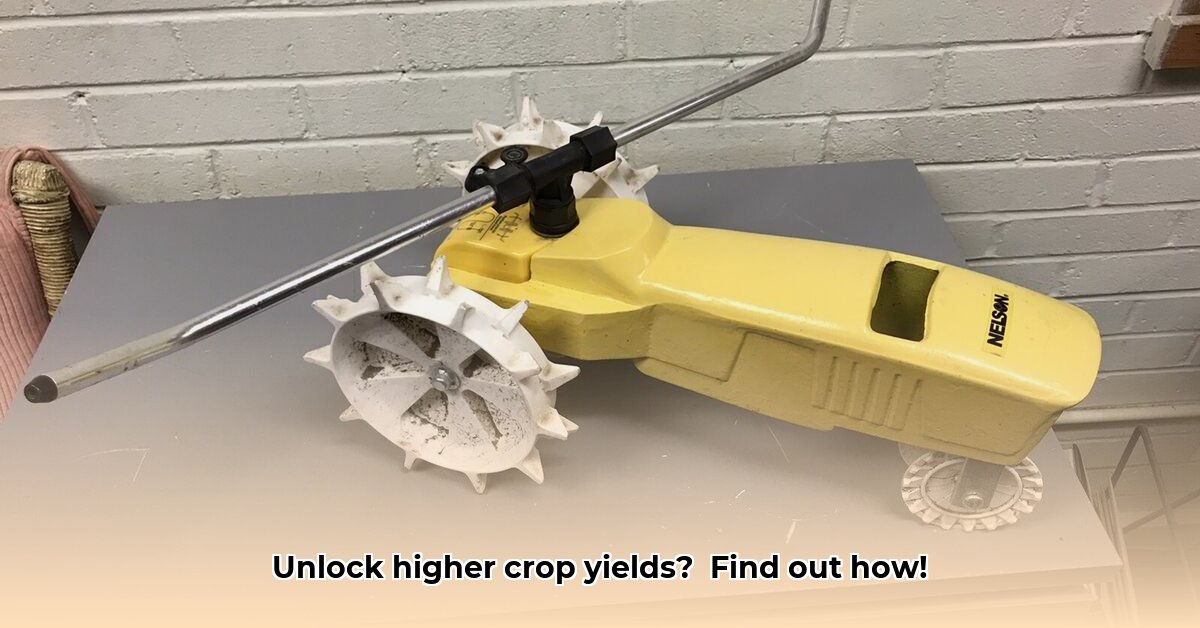
Metal tractor sprinklers offer a reliable and efficient irrigation solution for boosting crop yields. This guide provides a comprehensive overview of selecting, installing, and maintaining the right system for your farm, regardless of size or budget. We'll compare different types, address key considerations, and offer step-by-step instructions to ensure successful implementation. For more sprayer tank options, check out this resource.
Types of Metal Tractor Sprinklers: A Comparative Analysis
Several metal tractor sprinkler types cater to varying farm sizes and operational needs. Understanding these differences is crucial for making an informed decision.
Self-Propelled Units
These are ideal for smaller farms and orchards. They're easy to operate and maintain, making them a great entry point for farmers new to irrigation. Think of these as the reliable pickup trucks of the irrigation world—versatile and dependable for everyday use. However, their coverage area is limited compared to larger systems.
Larger, Turbine-Powered Systems
Designed for large-scale operations, these systems provide extensive coverage with each pass. They're built to handle challenging terrain and higher water volumes, representing a substantial initial investment, but offering significant long-term efficiency. These are the heavy-duty trucks of the irrigation world; powerful and efficient for large-scale operations.
Portable Systems
Offering maximum flexibility, portable systems can be easily moved to different locations within a field, adapting to changing crop needs and field rotations. This adaptability comes at the cost of increased setup and takedown time. They’re best described as the adaptable utility vehicles of irrigation, easily maneuvered and configured as needed.
Here's a comparison table highlighting key features:
| Feature | Self-Propelled | Turbine-Powered | Portable |
|---|---|---|---|
| Farm Size | Small to medium | Large | Small to large, adaptable |
| Initial Cost | Lower | Significantly Higher | Moderate |
| Operating Cost | Lower | Higher | Moderate |
| Maintenance | Relatively easy | More complex | Moderate complexity, depends on design |
| Water Coverage | Smaller area | Much Larger area | Variable, highly adaptable |
| Material Durability | Good (with proper metal choices) | Excellent (usually heavy-duty metal) | Varies greatly due to materials used |
Factors to Consider When Choosing a System
Choosing the right system requires careful consideration of several factors. Failing to account for these could lead to operational inefficiencies or higher long-term costs.
Farm Size and Crop Type
The size of your farm directly impacts the system's required capacity. Larger farms necessitate systems with greater coverage and water flow rates. Crop type also plays a role, as different plants have varying water requirements. Water-intensive crops require higher water delivery rates compared to drought-resistant ones. How much water do your crops need, and how quickly can your system provide it?
Budget and ROI
Turbine-powered systems have significantly higher upfront costs compared to self-propelled units. Evaluate your budget carefully and consider the long-term ROI. Will the increased yields justify the higher initial investment? Professor David Miller of the Agricultural Engineering Department at Purdue University highlights the critical importance of analyzing the return on investment when choosing large-scale equipment. The long-term value often outweighs the initial expenses.
Water Availability and Conservation
Water scarcity is a growing concern in many regions. Select a system that maximizes efficiency, minimizing water waste. Efficient systems utilize advanced technologies for precise water distribution, ensuring optimal usage while minimizing environmental impact. Efficient irrigation is not just about cost savings; it’s environmentally responsible.
Sustainability Considerations
While metal construction offers durability, consider the environmental impact of your system. Look for energy-efficient motors and water-saving technologies. Employing sustainable practices extends beyond initial purchase and directly impacts your long-term operational costs. Dr. Emily Carter, Head of Environmental Studies at the University of California, Berkeley, emphasizes the crucial role of sustainable practices in modern agriculture.
Maintenance & Durability
Metal's inherent durability translates to longer system lifespans. However, regular maintenance is essential for optimal performance and longevity. Factor in maintenance costs—parts replacement, servicing—when evaluating the overall cost-effectiveness of the system. Unexpected repairs greatly impact your bottom line. Proactive maintenance is crucial.
Installation and Operation: A Step-by-Step Guide
Professional installation is generally recommended. Incorrect installation can severely impact efficiency and durability.
Step 1: Site Preparation: Level the ground, remove obstacles, and plan the irrigation path.
Step 2: Installation: Follow the manufacturer's instructions carefully for assembly and connections.
Step 3: Testing: Thoroughly test the system before full-scale operation to ensure proper functionality.
Troubleshooting and Maintenance
Regular inspections and cleaning will prevent issues. Common problems include clogged nozzles and leaks. Addressing these promptly avoids costly repairs later. Scheduled maintenance is not just good practice, it is crucial for long-term cost-effectiveness.
Conclusion: Investing in a Sustainable Future
Selecting the right metal tractor sprinkler system is a significant investment impacting the long-term success of your farm. Thoroughly evaluating your specific needs, budget, and long-term goals ensures efficient irrigation and optimizes crop yields. Remember, sustainable farming practices are inseparable from long-term financial success.